
Neobanks in Berlin
N26 was founded in Berlin in 2013 and got a full German banking license in 2016, and Trade Republic grew from a Berlin broker app into a full bank. Behind other apps sits Solaris, a Berlin bank that lends its license to other brands. Below are the license models and the supervision that shape a neobank in Berlin, and the software that replaces the branch. Dated events are in the calendar below.
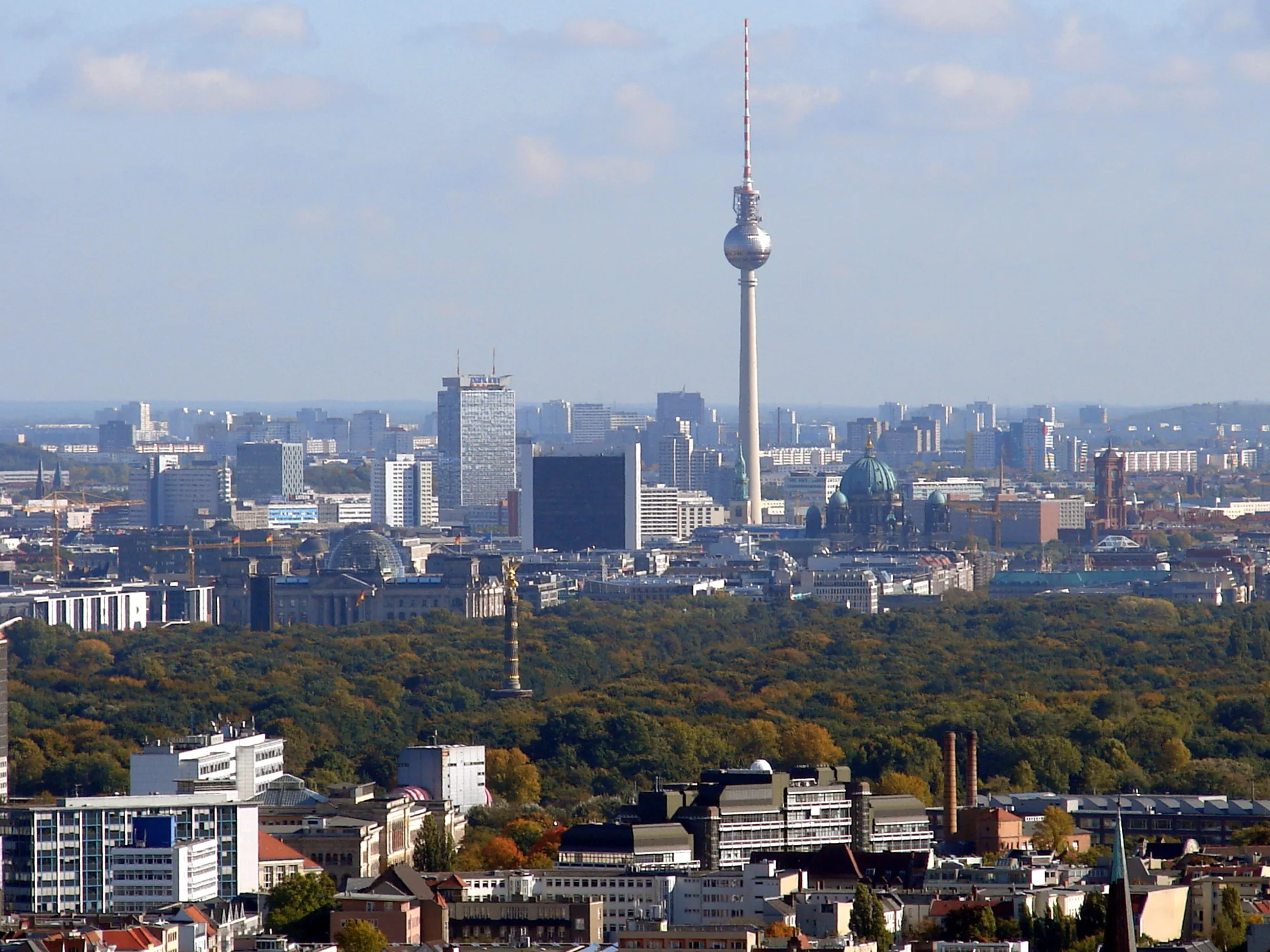
How a Berlin neobank gets its license
A neobank that takes deposits is a credit institution under the German Banking Act and needs a bank license, branches or not. N26 calls itself the first 100 percent mobile bank with a full German banking license, granted in 2016. Trade Republic started with a securities trading license and kept customer deposits at partner banks, Solarisbank and Deutsche Bank among them, until the European Central Bank granted it a full banking license in December 2023, as the Börsen-Zeitung reported.
The other route is to use someone else's license. Solaris describes itself as "a German technology company with a full banking license" and its banking-as-a-service platform as having "everything you need to build your own banking products". A brand on top of it designs the app and the card, and the accounts and deposits sit at Solaris. For the customer, the license behind the IBAN decides which supervisor and which deposit guarantee apply. The banking as a service in Germany page explains the model.
The technology behind the app
A neobank has no branch, so software does the work a branch clerk did. Accounts open after an identity check inside the app; KYC in Germany covers video ident and the rules behind it. The anti-money laundering checks that follow are automated as well. N26 says it uses "sophisticated intelligence-based models that analyze the fraud potential of individual customers" before an account opens, and "self-learning transaction monitoring systems" that flag suspicious activity in real time. In a press release it put its spending on compliance, infrastructure and teams over the previous two years at more than 100 million euros.
That spending followed pressure from the supervisor. BaFin fined N26 4.25 million euros in 2021 for weak anti-money laundering controls and limited how many new customers it could take on; the limit ended in June 2024. In December 2025 BaFin appointed a special monitor at N26, as Banking Dive reported. The neobanks in Germany page follows the case in detail.
Why the neobanks are in Berlin
Berlin has more fintechs than any other German city. The Investitionsbank Berlin counts 189 active fintechs there, against 62 in Munich and 52 in Frankfurt, and about three quarters of Germany's 32 fintech scale-ups valued at more than 100 million euros. The neobanks grew out of that pool of founders and venture capital, while their supervisors sit elsewhere: BaFin in Bonn and Frankfurt, the European Central Bank in Frankfurt. The House of Finance and Tech is the city's fintech hub, where fintechs meet banks and regulators.
Trade Republic shows how the products have moved. It began as a mobile broker and, according to the Börsen-Zeitung (in German), added a current account and a credit card; it reported a profit of 34.8 million euros for the year to September 2024, its second profitable year in a row. The neobrokers in Germany page covers the broker side.
Upcoming fintech events in Berlin
Is N26 based in Berlin?
Yes. N26 was founded in Berlin in 2013 and has its head office in Berlin-Mitte. It holds a full German banking license and is supervised by BaFin. Its deposits are protected up to 100,000 euros under the German deposit protection scheme.
Is my money safe at a Berlin neobank?
It depends on the license behind the account. At a bank with its own license, such as N26, deposits are protected up to 100,000 euros per customer under the EU Deposit Guarantee Schemes Directive. With an app built on a banking-as-a-service platform, the deposits sit at the partner bank, and its protection applies. Money held by an e-money institution is safeguarded, but it is not a deposit.
What is the difference between a neobank and banking as a service?
A neobank faces the customer: it runs the app and the brand. Banking as a service is the layer underneath, a licensed bank such as Solaris that offers accounts and cards to other companies through APIs. A neobank can hold its own license, as N26 does, or run on such a platform.
Where do people from neobanks meet in Berlin?
At the House of Finance and Tech, at FIBE, the fintech festival at CityCube Berlin in April, and at Payment Exchange. Finance Loop lists its networking events in Berlin in the calendar below.
Payments & Digital Money
Neobanks in Berlin and Finance Loop
Finance Loop holds events in Berlin as well as Frankfurt, Munich and Hamburg, and brings people from Berlin's neobanks together with the bankers and supervisors in Frankfurt; the Berlin dates are on networking events in Berlin. Neobanks belong to its Payments & Digital Money track for accounts and cards, and to Risk & Compliance for the anti-money laundering rules. For engineering teams, the Claude Code workshop in Berlin page lists Finance Loop's AI coding formats.
Finance Loop membership starts with the free Network Member plan on the membership page. Partners can reach people from banks and fintechs by sponsoring a meetup or a webinar, or through the partner program; fintech marketing compares the formats.
Finance Loop is a professional network and has the goal of driving the adoption of emerging technologies in finance, such as AI, tokenization, stablecoins, and DeFi. Finance Loop helps its members build skills and personal networks in these fields: Investment & Digital Assets, Payments & Digital Money, Digital Infrastructure & Sovereignty, and Risk & Compliance.