
Blockchain in Berlin
Berlin Blockchain Week has no owner: it is a week of self-organized conferences, hackathons and meetups that anyone can join with an event in the city. Bundesblock, the German blockchain association, sits in Berlin as well. Below is how the week works, what the association asks of politics and where blockchain and finance people meet.
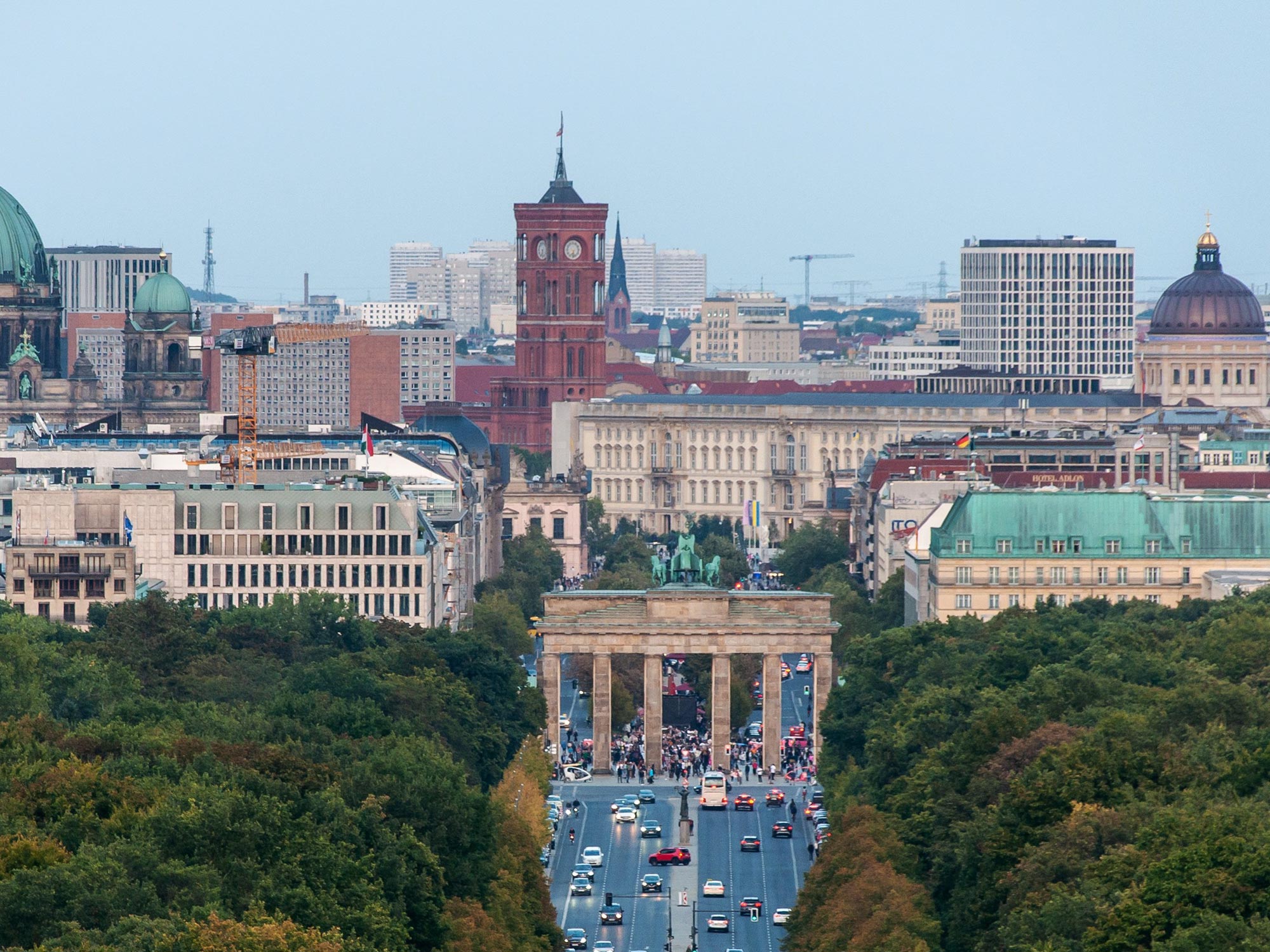
Berlin Blockchain Week: a week without an owner
Berlin Blockchain Week (BBW) began as a decentralized, community-organized initiative with no single owner. The Department of Decentralization coordinates it loosely: it hosts the website and shares news about the week, while the events come from the community. The stated aim is education, collaboration and knowledge exchange, with less market noise.
The rules for a side event are short. It has to take place in Berlin, in person, within the dates of the week, and it has to deal with blockchain or a neighboring field. Organizers are asked to keep it educational and as cheap for the community as they can. Many side events take registration on Luma, and the calendar fills up in the weeks before. Past programs have included developer conferences such as DappCon and Protocol Berg, zero-knowledge hackathons and privacy hackathons, which tells you who comes: engineers and protocol researchers first, then founders and investors.
For a banker or asset manager the week is a way to meet the people who build the protocols that tokenized finance will run on. Pick two or three talks on topics that touch your work, such as custody, stablecoins or zero-knowledge proofs for compliance, and go to the side events in the evening.
Bundesblock: the blockchain association in Berlin
The Blockchain Bundesverband, Bundesblock for short, was founded in Berlin as a non-profit association for blockchain technology. With more than 90 member companies and research institutions, it is the largest blockchain industry association in the DACH region. Its motto is "From the community, for the community", and its mission is to demand the best possible conditions for distributed, decentralized applications and to make Germany a lasting location for distributed ledger technology.
That makes Berlin the place where blockchain meets federal politics. Laws that shape the field, such as the Electronic Securities Act with its crypto securities register, are written by ministries and passed by the Bundestag in Berlin; the blockchain in Germany page covers them. Bundesblock also curates the Digital Assets Day at the TUM Blockchain Conference in Munich, a day for banks, regulators and the public sector.
Conferences and meetups through the year
Outside the blockchain week, Berlin holds several smaller formats. The German Blockchain & AI Week took place at w3.hub in Kreuzberg under the title "Bridging Europe & Asian Markets", with more than 60 speakers and sessions on DEX vs CEX, taxation, cross-chain payments and tokenization; DWS Group and the law firm Bird & Bird were on its program, and a panel on legal frameworks and compliance put lawyers on the same stage as builders. Developer meetups on Ethereum, Solana and other chains run through the year.
For the web3 and developer side of the city see web3 in Berlin, and for crypto exchanges, custody and the MiCA rules see crypto in Berlin.
What someone new to blockchain in Berlin should know
Berlin's blockchain scene is technical. Many people you meet write code or research protocols, and conversations move fast into consensus, scaling and cryptography. The layer 2, smart contract and oracle answers in the knowledge hub give you the vocabulary. The rules are the same as anywhere in Germany: BaFin licenses crypto firms under MiCA, even though BaFin itself sits in Bonn and Frankfurt. A license granted by BaFin under MiCA is valid in every EU country.
Upcoming blockchain events in Berlin
Finance Loop and blockchain in Berlin
Finance Loop joined Bundesblock as a member and is a founding member of the Bitcoin Bundesverband, which was founded in the Bundestag in Berlin. Finance Loop holds events in Berlin next to Frankfurt, Munich and Hamburg and brings people from banks and asset managers together with blockchain developers, IT people and AI engineers.
If you come from the regulated side, Finance Loop events are a way into the Berlin blockchain scene; if you come from the protocol side, they are a way to meet the banks and asset managers who will use what you build.
Investment & Digital Assets
Payments & Digital Money
Risk & Compliance
What is Berlin Blockchain Week?
Berlin Blockchain Week is a week of blockchain conferences, hackathons and meetups in Berlin with no single organizer. Anyone can add an in-person event in Berlin within the week, as long as it deals with blockchain or a neighboring field and stays educational.
Who organizes Berlin Blockchain Week?
Nobody owns it. The Department of Decentralization loosely coordinates the week and runs its website, and each conference, hackathon and side event has its own organizer.
Is there a blockchain conference in Berlin?
Yes. During Berlin Blockchain Week several developer conferences run in the city, and formats such as the German Blockchain & AI Week take place at other times of the year. Current dates are in the calendar above.
What is the Blockchain Bundesverband?
The Blockchain Bundesverband (Bundesblock) is a non-profit association founded in Berlin to promote blockchain technology. It has more than 90 member companies and research institutions and speaks for the field toward politics. Finance Loop is a member.
Blockchain in Berlin and Finance Loop
Finance Loop is a member of Bundesblock and a founding member of the Bitcoin Bundesverband, and it holds events in Berlin. Blockchain belongs to its Investment & Digital Assets track, and the rules for crypto firms to Risk & Compliance.
Finance Loop is a professional network and has the goal of driving the adoption of emerging technologies in finance, such as AI, tokenization, stablecoins, and DeFi. Finance Loop helps its members build skills and personal networks in these fields: Investment & Digital Assets, Payments & Digital Money, and Risk & Compliance.