
Web crawling & knowledge extraction Frankfurt
Web crawling is the automated retrieval of pages within a defined source scope. Knowledge extraction identifies facts in retrieved content and places those facts into agreed fields, such as a product name or a service category. The resulting records can be checked against the source information.
A useful project begins with approved sources and examples of the records that the business needs. Teams in Frankfurt and Rhine-Main can then assess whether the extracted facts support a particular analysis or internal process. Source links and explicit gaps make the result easier to review before further use.
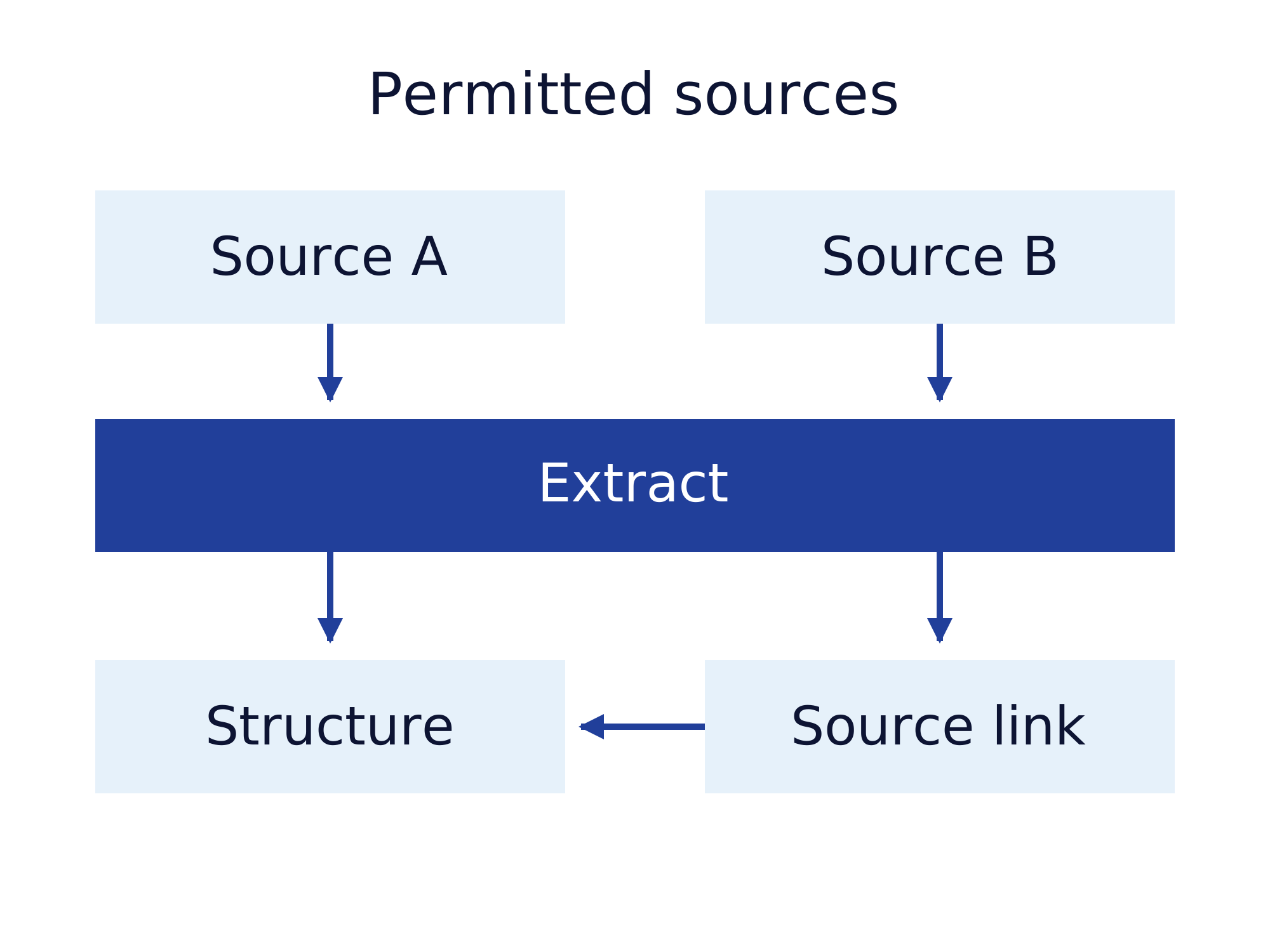
Crawling, extraction and usable records
A crawler determines which pages to retrieve and follows links within the agreed boundaries. An extraction step selects the relevant content and assigns values to the target fields. A retrieved page can therefore be technically available while a required field remains missing or ambiguous.
Define the output before collecting a large number of pages from different sources. A product record might need a name, a category and the address of the supporting source. The required fields should follow the intended business task, with examples showing acceptable and incomplete results.
Approved sources and controlled retrieval
Agree the permitted domains, relevant page types and retrieval limits before a crawl starts. The Robots Exclusion Protocol defines rules that website operators communicate to automated clients. Those rules are not an access authorization, so source permissions and permitted data use need their own review.
For each source, record the intended purpose and the fields that may enter the output. Agree how the workflow handles a blocked request or an unavailable page. An existing export or authorized interface may provide a more direct route to the same required facts.
Keep the source with each extracted fact
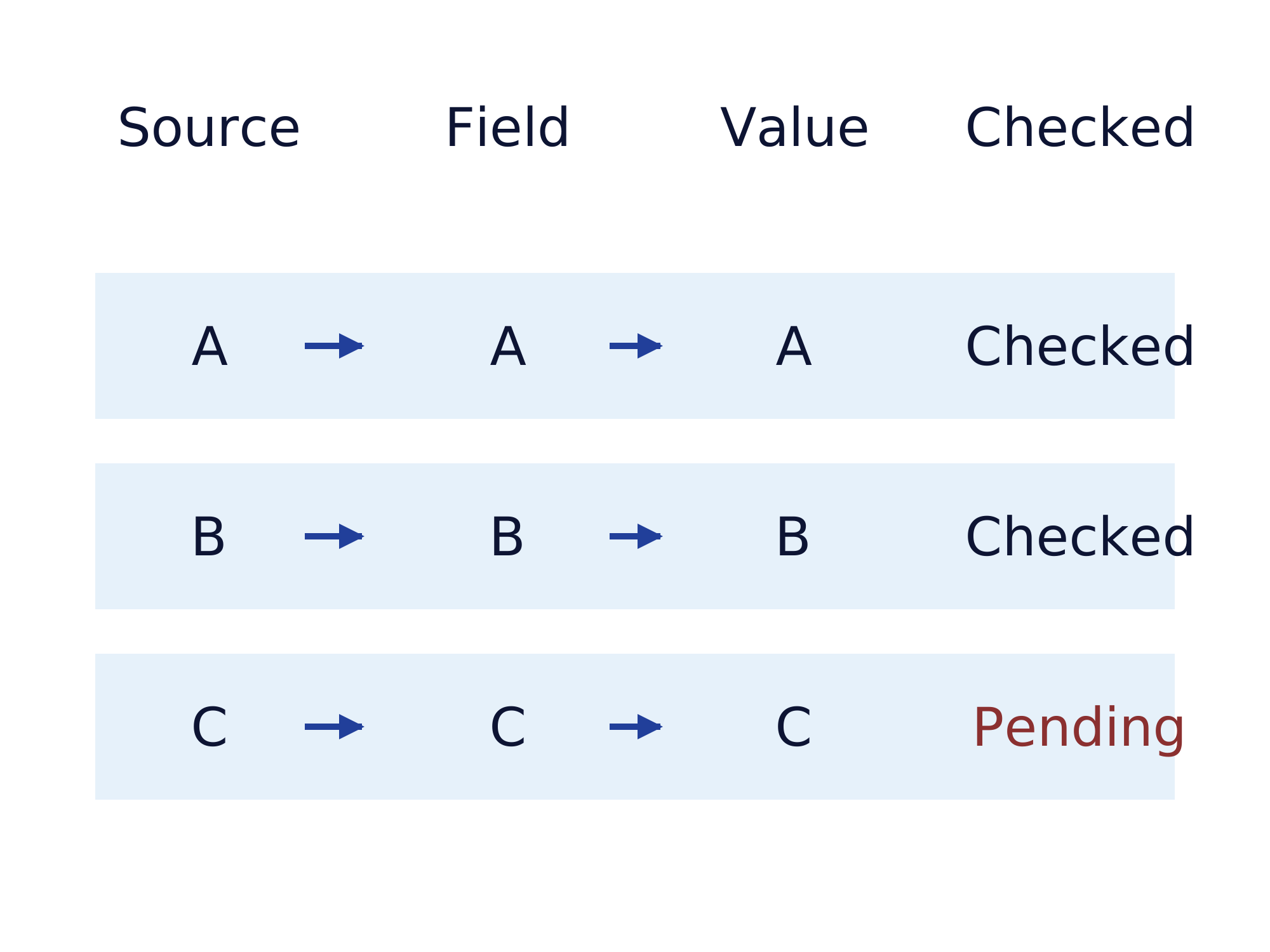
Record provenance describes where data came from and how the data was produced. The W3C provenance model covers the entities, activities and people involved in producing information. For a business dataset, a useful review record connects a field and value to the supporting source and the completed check.
The review record connects the original source to the chosen field and its value. A review status records whether a person has checked that value against the source. Preserve a missing value as missing when the source does not provide the requested fact. If sources disagree, retain the conflict and route the affected field to the agreed reviewer before downstream use.
How is extraction quality checked?
Reserve a sample of source material that was not used to configure the extraction. Compare the resulting records with a reviewed reference and examine incorrect values separately from missing values. Test pages with changed layouts and failed retrievals as well as straightforward examples.
Technical validation can check required fields before records enter a database or export. The Scrapy item pipeline supports validation and storage after extraction, with collection and checking as separate processing steps. A business reviewer must still determine whether a technically valid value expresses the correct fact.
What belongs in the delivery agreement?
Specify the source scope, output format and acceptance sample in the project brief. Ask whether the delivery is a one-time dataset or includes an operating workflow. Agree who handles failed sources and who can approve changes to the record model.
For Frankfurt and Rhine-Main teams, a joint sample review can establish terminology before a larger collection begins. Agree the working language and the owner who accepts the resulting records. Separate duplicate resolution from initial extraction, and scope continuous updates as an additional operating task.
Extract regional service information for Rhine-Main
A dataset of services available in Frankfurt, Wiesbaden or Darmstadt needs separate fields for the provider location and the stated service area. A Frankfurt address alone does not establish that a company accepts assignments throughout Rhine-Main. Agree which source statement supports each place and retain that statement with the extracted record. Apply the same field definitions when extending a permitted source collection to another German region, so regional coverage can be reviewed consistently.
Gateflow as one provider in Frankfurt
Gateflow is one provider in Frankfurt, with German projects scoped for remote or on-site delivery. Gateflow turns approved websites and controlled files into records linked to source evidence. A first assignment can test extraction on a defined source sample.
Knowledge extraction and Finance Loop
Finance Loop connects professionals working with data and AI through practical formats in Frankfurt. The Claude Hacker House series provides a setting for discussing source quality and testing AI workflows. Finance Loop is a professional network that advances the institutional use of emerging technologies in finance.