
Knowledge Hub
The Knowledge Hub answers practical questions from people working in finance: how professionals construct portfolios, calculate fund value and use investment systems, as well as what MiCA regulates or how clearing works. Each answer names its sources and the rules in Germany, Austria and Switzerland.
Many of the supervisors these answers name are based in Frankfurt: the ECB, the Bundesbank, EIOPA, AMLA and one of the two BaFin offices. The city also connects investment firms to the markets and post-trade infrastructure of Deutsche Börse.
Investment & Digital Assets
Portfolio construction, asset allocation, fund operations, WealthTech, capital markets and digital assets.

- What are capital markets?
- Primary market vs secondary market: what is the difference?
- What is a market maker?
- What is an order book?
- What is WealthTech?
- What is a robo-advisor?
- How is AI used in wealth management?
- What is portfolio construction?
- What is strategic asset allocation?
- What is portfolio rebalancing?
- What is performance attribution?
- What are model portfolios?
- What is digital wealth management?
- What is a portfolio management system?
- What is an investment book of record?
- What is fund administration?
- How is net asset value calculated?
- What are digital assets?
- What is tokenization of assets?
- What are tokenized securities?
- What are tokenized funds?
- What are real world assets?
- Security tokens vs utility tokens: what is the difference?
- What is crypto custody?
- What is a bitcoin ETF?
- What is AI in trading?
- What is bitcoin?
- What is decentralized finance?
- DeFi vs CeFi vs TradFi: how do they differ?
- What is a liquidity pool?
- Yield farming vs staking: how do they differ?
- DEX vs CEX: what is the difference?
- What is AI in finance?
- What is a blockchain oracle?
- How do smart contracts work?
- What is staking?
- What is a layer 2 blockchain?
- What is a crypto wallet?
- What is a private key vs a seed phrase?
- What is a hardware wallet?
Payments & Digital Money
Instant payments, clearing, Wero, the digital euro, stablecoins and tokenized deposits.

- What are instant payments?
- How do cross-border payments work?
- Clearing vs settlement: how do they differ?
- What is a clearing house?
- What is Wero?
- What is the digital euro?
- What is a CBDC?
- Stablecoin vs CBDC: what is the difference?
- What are stablecoins?
- What are stablecoins backed by?
- What are stablecoins used for?
- What are stablecoin issuers?
- What are tokenized deposits?
- Tokenized deposits vs stablecoins: what is the difference?
- What is tokenization in payments?
Digital Infrastructure & Sovereignty
Core banking, cloud and data sovereignty, market data, open banking, payment rails, operational resilience and post-quantum security for financial institutions.
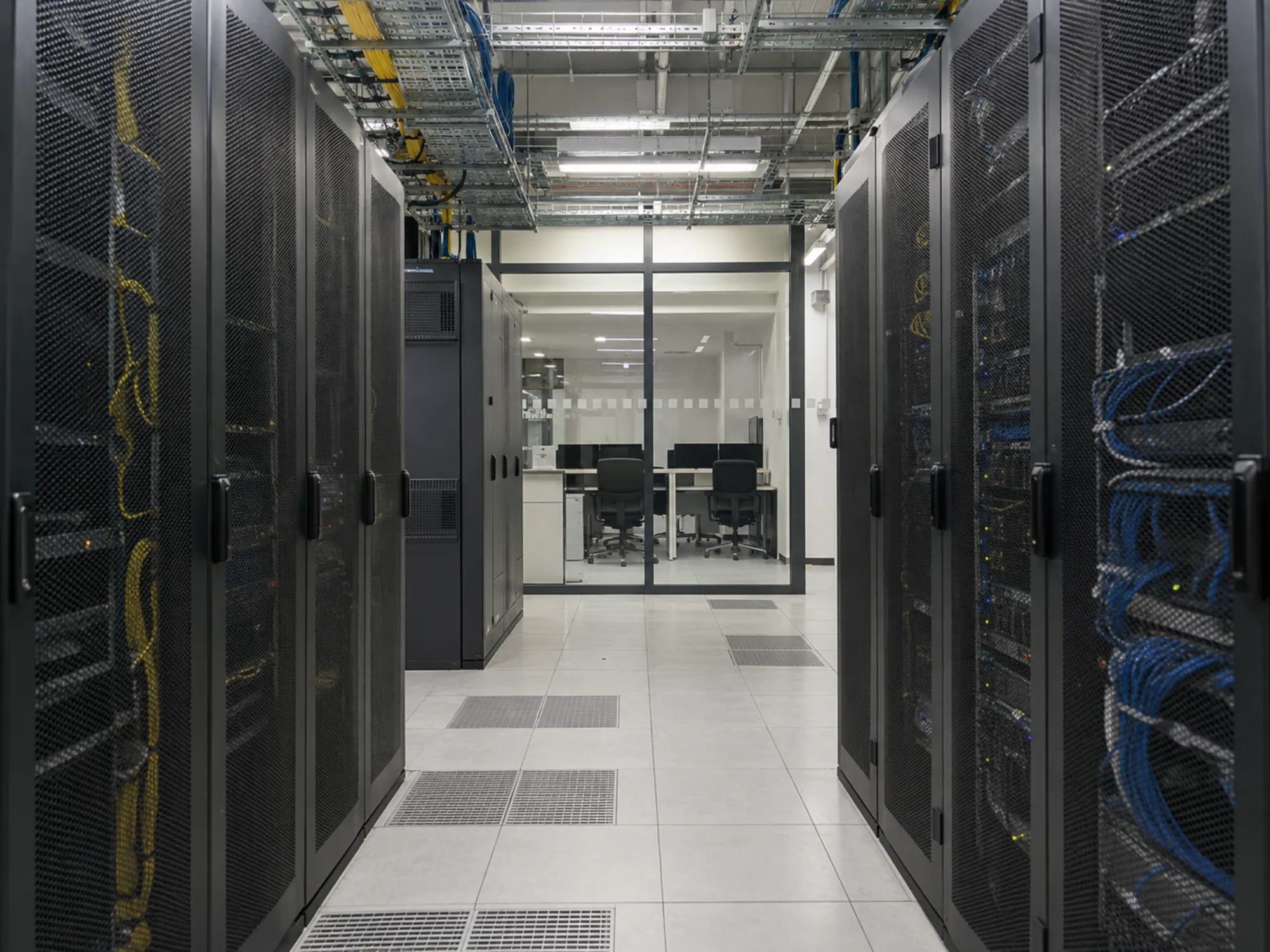
- What is financial infrastructure?
- What is a core banking system?
- How is cloud computing used in banking?
- What is a European sovereign cloud?
- What is data residency?
- What is data sovereignty?
- What is a cloud exit strategy?
- What are critical ICT third-party providers?
- What is confidential computing?
- What is open source banking?
- What is financial market data?
- What is an open banking API?
- What is ISO 20022?
- What are payment rails?
- What is post-quantum cryptography?
Risk & Compliance
Credit and liquidity risk, Basel III, KYC and AML, DORA, MiCA and the EU AI Act.

- What is credit risk?
- Market risk vs credit risk: what is the difference?
- What is liquidity risk?
- Liquidity vs solvency: what is the difference?
- What is counterparty risk?
- What is collateral?
- What are Basel III requirements?
- What is compliance in banking?
- KYC vs AML: what is the difference?
- What is MiFID II in simple terms?
- What is regtech?
- What is DORA regulation?
- What is MiCA regulation?
- What is the travel rule?
- What does the EU AI Act regulate?
No question matches. Try a shorter word, or ask in the site search.