
Data migration Frankfurt
Data migration is the transfer of records from an existing system into a replacement system with a different structure. A migration preserves the information needed for daily work, including relationships between customers, orders and historical records. Businesses use migration when replacing applications or combining previously separate data stores.
System integration connects applications that continue operating alongside each other after the initial transfer. An integration defines which system supplies each field, when updates travel and how conflicting changes are resolved. A project in Frankfurt or Rhine-Main therefore needs a clear boundary between the one-time move and the ongoing exchange.
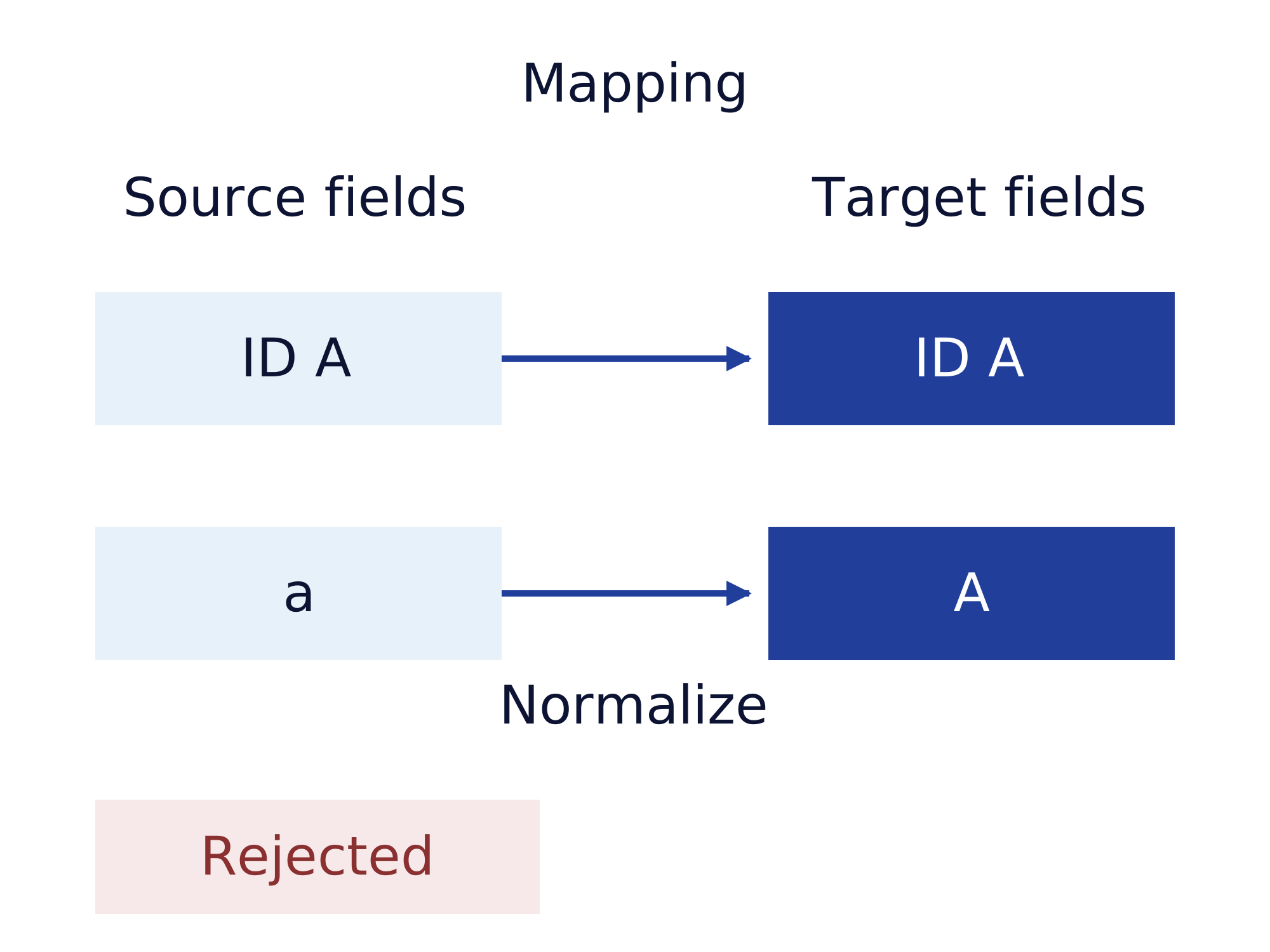
A migration plan starts with the records
A migration plan identifies the source systems, the target model and the people who understand the records. Ask the project team to inspect a sample before estimating the complete transfer. The sample should expose missing identifiers, duplicate records and relationships that the replacement system must preserve. A field mapping records the destination of each source value and any agreed conversion.
Business owners decide which conflicting record is authoritative and which historical information must remain available. Record exclusions and rejected rows explicitly, with a person responsible for resolving each exception. Define who can access sample data and how temporary copies will be removed after the agreed checks.
CRM integration and continuing data exchange
CRM integration connects customer information with another application, such as an enterprise resource planning system. Specify the direction of transfer and the system responsible for each value before building the interface. An application programming interface, or API, exchanges structured requests; a file interface transfers agreed batches. The choice depends on the available systems and the required update frequency.
Ask how the integration handles a changed address, an existing customer and a failed transfer. A repeated delivery must follow an agreed duplicate rule, with failures visible to the operating team. Include an owner for later changes to fields or interfaces in the handover.
Trial imports, reconciliation and cutover
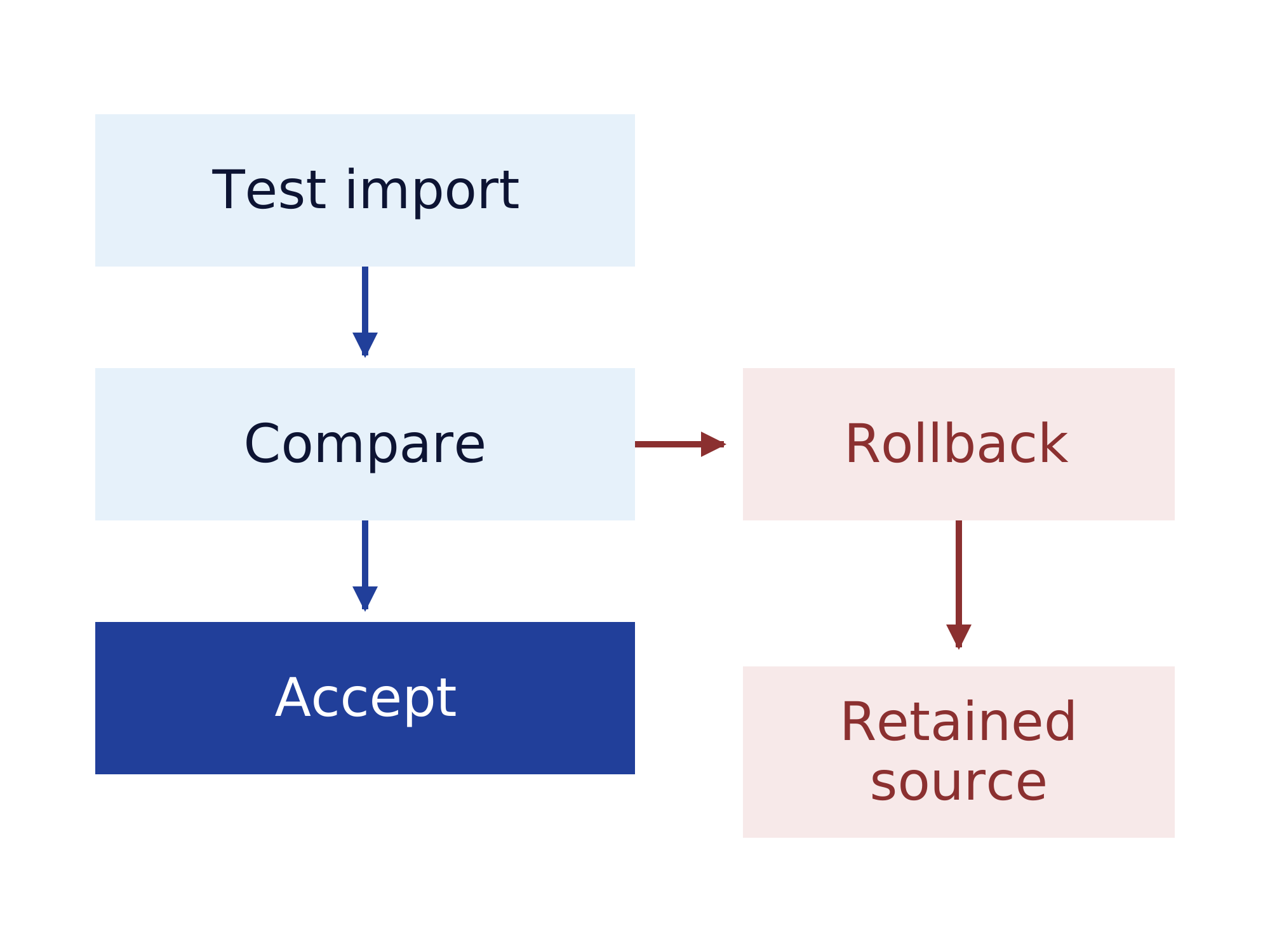
A trial import tests the mapping against the target system before the production switch. Reconciliation compares source and destination counts, important field values and rejected rows. Business users also check representative cases, because matching totals alone cannot prove that relationships remain usable. Record the results and resolve failed checks before requesting acceptance.
The cutover plan assigns each task and verification step, including responsibility for proceeding or stopping. Microsoft includes rehearsal, sign-off and a rollback plan in the documented cutover process (in English). Agree when the old system remains available and how changes made during the switch are handled.
What determines migration cost and duration?
Migration cost depends on the agreed scope, data quality and the work needed to verify the result. Ask for separate estimates for preparation, transfer and support after the switch. A large clean dataset and a small inconsistent dataset can require different amounts of review. An early sample helps identify that difference before a complete delivery commitment.
Compare proposals using the same source systems, acceptance cases and operating requirements. Clarify whether the price includes correcting rejected records and repeating a failed trial import. Treat a continuing interface as a separate operating responsibility with an agreed maintenance scope.
Coordinate a migration across Rhine-Main locations
A migration involving users in Frankfurt, Wiesbaden and Darmstadt needs acceptance checks from the teams that depend on the transferred records. If one location enters new orders while another verifies customer data, agree when those activities pause and how the final changes reach the replacement system. Give each participating team a named contact and a clear decision deadline for the switch. Remote coordination can cover additional German locations when authorized access and the same reconciliation evidence are available.
Gateflow as a provider in Frankfurt
Gateflow is a Frankfurt IT company offering data migration and system integration as separate tasks. Gateflow prepares field mappings, cleaning rules and trial imports, then checks transferred records against the source. For ongoing connections, Gateflow defines the interface, transfer direction and handling of errors.
Gateflow requires a sample export, the target model, access rules and a decision owner for conflicting records. The migration and integration service (in English) includes documentation and an operating owner at handover. Projects can be scoped across Germany, while remote or on-site delivery depends on the mandate.
Can a migration avoid all downtime?
A migration schedule must account for the actual behavior of both systems. Ask which work can happen while the source remains active and which work requires a pause. Agree how the final changes are transferred, how long verification may take and who can approve the switch. Any promise about downtime needs evidence from the particular rehearsal and operating environment.
Data and AI events in Frankfurt
Data migration and Finance Loop
Finance Loop connects professionals working on technology and financial services in Frankfurt and across Europe. Finance Loop events provide opportunities to discuss data projects and meet people responsible for their implementation. A defined migration scope and concrete acceptance questions help make those conversations useful.
Finance Loop is a professional network for the institutional use of emerging technologies in finance. Finance Loop helps members develop skills and professional contacts in these fields: Investment & Digital Assets, Payments & Digital Money, Digital Infrastructure & Sovereignty, and Risk & Compliance.